What Rufus Changes About Discovery
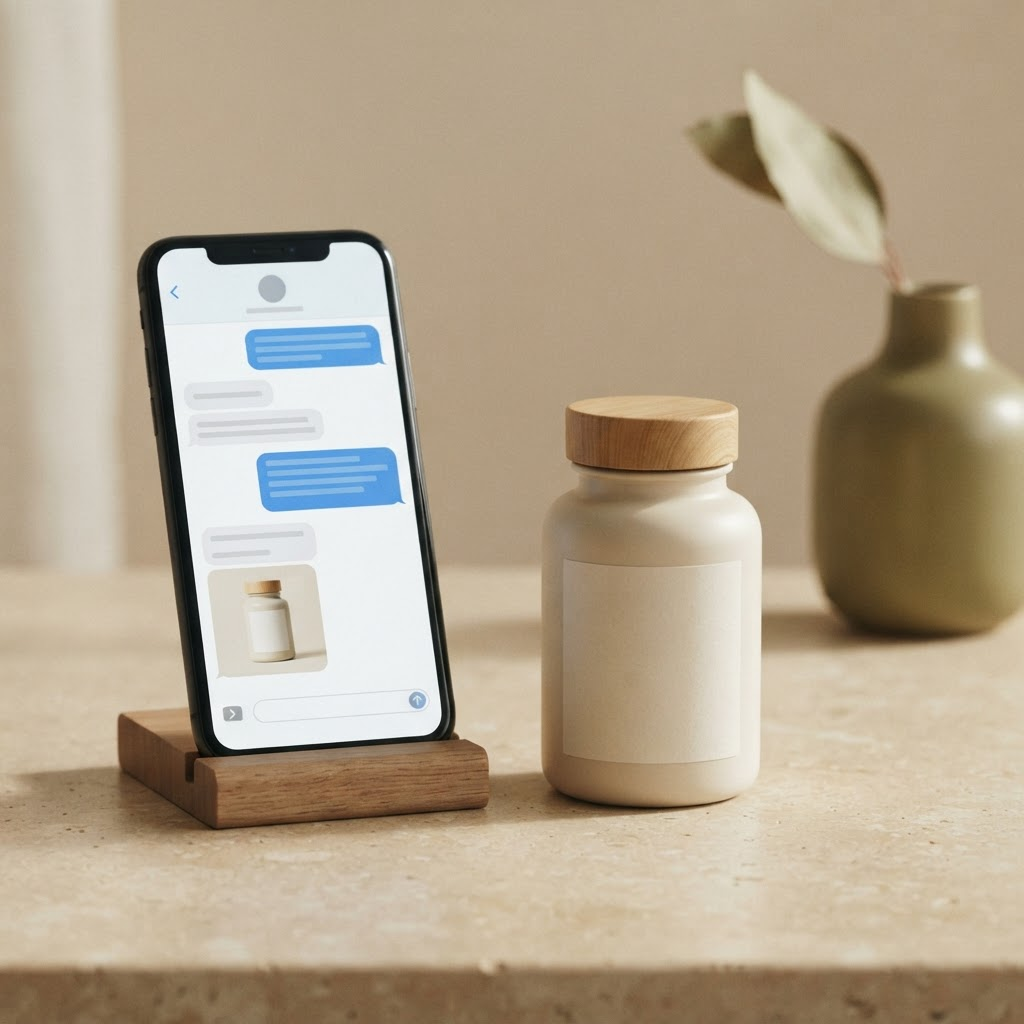
Rufus is Amazon’s AI shopping assistant, now woven into search and the broader Alexa-for-shopping experience. Instead of typing a keyword and scanning a grid, shoppers increasingly ask a question — “what is a gentle digestive enzyme for a sensitive stomach?” — and get a short, synthesized answer with a few recommended products. That means a second reader now stands between your brand and the buyer: a model that reads your title, bullets, A+ content, reviews, and Q&A and decides whether your product is a good, safe answer. Creative strategy now has to satisfy both the human and the machine.
Write for Questions, Not Just Keywords
Keyword stuffing was always weak; with AI shopping it is nearly useless. The listings that surface in Rufus answers are the ones that clearly state who the product is for, what problem it solves, how it is used, and what makes it different. Write bullets that map to the real questions customers ask, in plain language, with specifics. If your product is “gentle,” say why — the enzyme blend, the dose, the lack of a common irritant. The assistant rewards concrete, verifiable detail and quietly skips vague marketing adjectives.
Structure A+ Content for AI Context
A+ content is no longer just a visual upgrade; it is a context source. Module text and image alt text give the assistant additional, structured information about ingredients, use cases, comparisons, and claims. Treat every A+ module as a small, self-contained answer: a clear heading, a specific benefit, and supporting detail. Well-written alt text on comparison charts and ingredient callouts helps the model understand images it cannot fully “see,” which makes your product easier to recommend accurately.
Images Still Close the Sale
Even when an assistant surfaces your product, a human still clicks through and looks. The image stack is where trust is won or lost in a few seconds. AI discovery raises the stakes on clarity: the hero has to read instantly, the benefit images have to prove the claims the assistant just repeated, and the packaging has to match what the shopper expects. Think of images as the proof layer behind the assistant’s recommendation — if the words promise gentle and premium, the visuals have to deliver both.
Feed the Assistant Clean Signals
AI recommendations lean heavily on the signals around your listing: consistent claims across title, bullets, and A+; accurate attributes and category fields; reviews that reflect the actual benefit; and answered customer questions. Contradictions confuse the model and the shopper alike. Part of creative strategy now is hygiene — making sure the story is identical everywhere and that the structured data behind the page is complete and correct.
- Keep claims identical across title, bullets, A+, and images.
- Fill in attributes and category fields completely and accurately.
- Answer real customer questions in the Q&A with specifics.
A Strategy for AI-Driven Shopping
The brands that win in AI shopping are not gaming a new algorithm; they are being genuinely clear about a genuinely good product. Define the questions your customer is really asking, answer them precisely in copy, prove them in images, and keep every signal consistent. Do that and you are easy for Rufus to recommend and easy for a human to trust. That is the same creative discipline that has always worked on Amazon, now pointed at a new reader.